Thailand rewards the curious traveller. From the golden spires of Bangkok's Grand Palace to the mist-covered mountains of Chiang Rai, the country offers an extraordinary range of experiences packed into a relatively compact geography. But navigating it all — the temples, the tuk-tuks, the language barriers, and the sheer number of options — can feel overwhelming without a plan.
Choosing the right type of tour
The first decision any traveller faces is choosing between a group tour and a private one. Group tours are ideal for solo travellers or those on a tighter budget, offering built-in companionship and lower per-person costs. Private tours, on the other hand, allow for greater flexibility — you set the pace, choose the stops, and tailor the itinerary to your interests. Many operators offer hybrid options, where a small group follows a loose itinerary with room for personalisation.
Where to book — and what to look for
Reputable booking platforms such as Viator, GetYourGuide, and Klook list hundreds of verified tour operators across Thailand, complete with reviews, pricing, and cancellation policies. When assessing a tour, pay attention to the guide-to-guest ratio, what is included in the price (entrance fees, meals, transport), and whether the operator holds the relevant licences from the Tourism Authority of Thailand (TAT). Reading recent reviews is particularly useful — a pattern of complaints about rushed itineraries or hidden fees is a reliable warning sign.
Booking directly vs. through an agency
Booking directly with a local tour operator can sometimes yield better prices and more flexibility, but it requires a greater degree of trust and due diligence. International booking platforms offer the reassurance of buyer protection, standardised cancellation policies, and customer support — advantages that are especially valuable when travelling from abroad. For multi-day excursions or specialised tours such as culinary experiences or hill-tribe treks, working with a dedicated travel agency that knows the region can be well worth the added cost.
Timing your tour
Thailand's high season runs from November to February, when the weather is dry and temperatures are at their most comfortable. This is also when tours fill up fastest. Booking several weeks in advance is advisable during this period, particularly for popular experiences such as the Chiang Mai Lantern Festival or river cruises along the Chao Phraya. Travelling in the shoulder season — March to May — can mean fewer crowds and lower prices, though the heat in this period can be intense. The wet season (June to October) brings lush scenery and significant discounts, but some tours, particularly those in coastal areas, may be affected by weather disruptions.
Regional highlights worth planning around
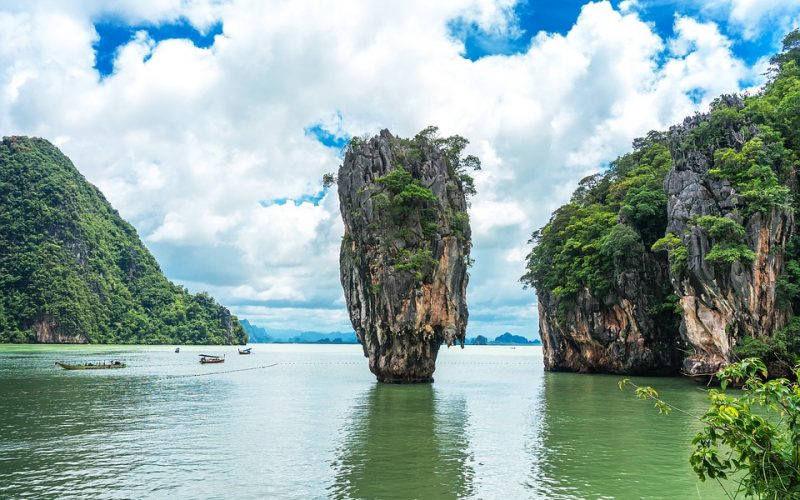
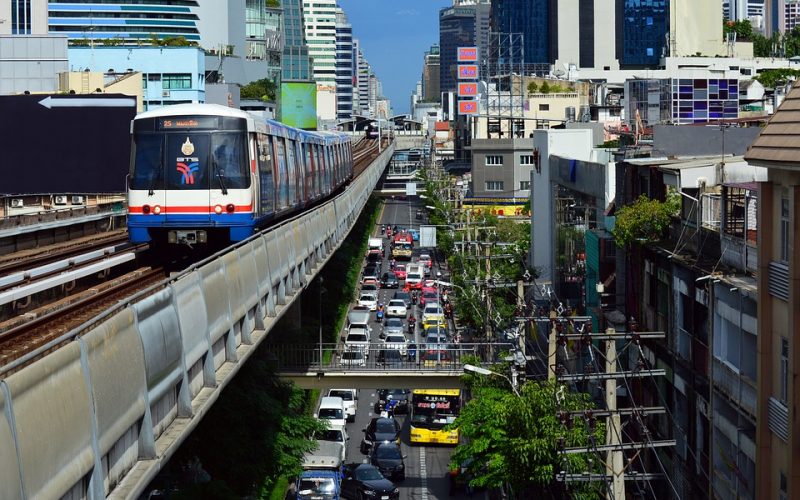
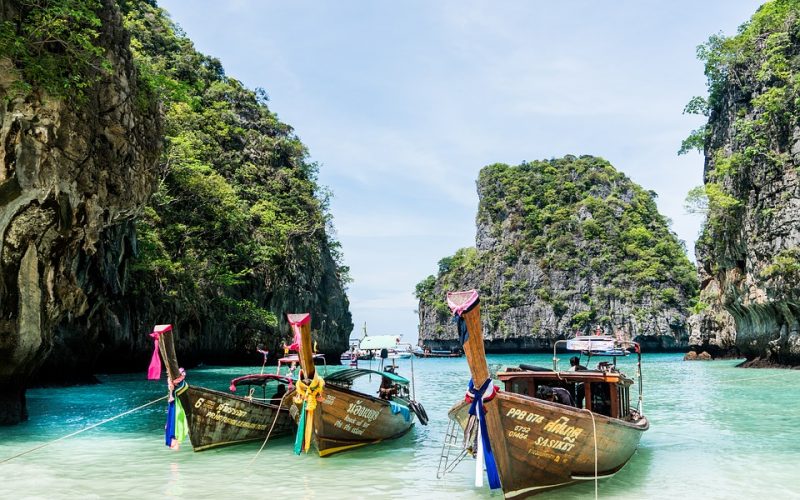
Different regions of Thailand lend themselves to different types of tours. Bangkok is best explored through food-focused walking tours or heritage routes that weave through Rattanakosin Island's historic district. In the north, guided treks around Pai and the Golden Triangle offer insight into indigenous cultures and remote landscapes that are difficult to access independently. The south's Andaman Coast — encompassing Krabi, Phang Nga Bay, and the Similan Islands — is best experienced through boat tours, many of which can be arranged directly from the main piers or through guesthouses.
A few practical tips before you go
Confirm all bookings with a written itinerary and clear contact details for your guide or operator. Most reputable companies send a confirmation email with a voucher that you present on the day. Tipping guides is standard practice in Thailand — typically 100 to 200 baht per person for a half-day tour is considered appropriate. Finally, dress modestly when visiting temples, as many tour operators are required to enforce this, and doing so shows respect for the local culture. Thailand's warmth as a destination is matched by the warmth of its people — a well-planned tour gives you the best chance of experiencing both.